

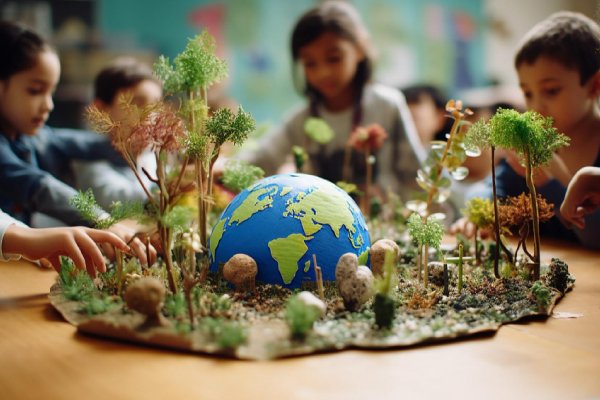
In a world facing growing environmental challenges, schools have a vital role to play in shaping the next generation’s understanding of sustainability. As centres of learning and community, they can model the values and habits needed to care for our planet. At Sunmarke School, sustainability is not a stand-alone project; it’s embedded in our culture and daily life. Through our Environment and Sustainability Signature Programme, students across all year groups engage in practical, hands-on initiatives that promote environmental awareness, responsibility, and leadership.

Education Beyond the Classroom
At Sunmarke, sustainability is learned by doing. Students don’t just study environmental issues in the classroom; they take meaningful action to make a difference. Our Eco Warriors and Eco Committee play a central role in leading sustainability initiatives across the school. These include recycling through Recapp, ensuring plastic, cans, and paper are properly collected and reused, and the Hydroponics Project, which teaches students about sustainable food production. Sunlight Fridays encourage energy conservation by asking everyone to switch off classroom lights, while the Book Swap and newly launched Uniform Swap promote a culture of reuse, helping students exchange items that no longer fit or are no longer needed. Our Forest School sessions give younger learners the opportunity to connect directly with nature through outdoor exploration and environmental learning. These experiences help them develop respect for natural habitats, understand biodiversity, and see first-hand the importance of caring for living things. Through these initiatives, students gain a practical understanding of how small, consistent actions can contribute to a more sustainable world.
Creating Greener Spaces and Sustainable Habits
Sustainability at Sunmarke extends beyond individual projects to the way the school itself operates. Classrooms and corridors have dedicated recycling systems, which students monitor and maintain as part of their leadership roles. Green corners, composting projects, and the use of repurposed materials in Design Technology lessons show how sustainable thinking can be integrated into daily learning. In collaboration with our catering partners, Mastercook, students have also explored ways to make school dining more sustainable, from reducing food waste to improving recycling practices within the canteen. These efforts demonstrate that environmental responsibility can be built into every aspect of school life, encouraging students to think critically about the impact of their choices.
Building a Community of Changemakers
Sustainability thrives when it is supported by an engaged community. At Sunmarke, students, staff, and partners work together to create lasting impact. Our students represent the school in the Alliance for Sustainable Schools, take part in national and regional eco initiatives, and lead projects such as the BIC Pen Recycling Challenge, the Design a Reusable Cup Competition, and the Upcycle Challenge. Through these experiences, they learn that protecting the environment is not just an individual responsibility but a shared commitment. This collaborative approach strengthens our school’s community and shows that collective action is essential for meaningful change.
Preparing Students for a Sustainable Future
By making sustainability part of everyday school life, Sunmarke is preparing students to lead with purpose and innovation. Whether they are growing herbs in hydroponic stations, designing with recycled materials, or presenting environmental ideas to school leadership, students are developing the confidence, creativity, and compassion needed to shape a sustainable future. The Environment and Sustainability Signature Programme ensures that they leave Sunmarke not only with academic excellence but also with the mindset and values to become responsible global citizens. At Sunmarke, sustainability is more than a lesson; it’s a mindset. Together, our students are learning that small actions, when multiplied across a community, can create meaningful change for the planet.